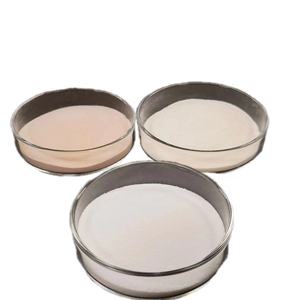
Discover premium hollow glass beads, ideal for lightweight and durable fillers.

Title: Lighten Up! How Tiny Glass Bubbles Are Revolutionizing Building Materials

(The Application Of Hollow Glass Microspheres Filled With Pvc Materials In The Field Of Building Materials Continues To Expand)
Main Product Keywords: Hollow Glass Microspheres, PVC Materials
Blog Content:
1. What Are Hollow Glass Microspheres in PVC?
Think of hollow glass microspheres as microscopic balloons. They are incredibly tiny glass spheres filled with gas. These spheres are super lightweight. PVC materials are common plastics used everywhere. They are durable and versatile. Combining them means mixing these tiny glass bubbles into PVC. The result is a new kind of material. It keeps the good things about PVC. It also gains some amazing new features. This blend is like adding air pockets to the plastic. It changes how the material behaves. This combination is making waves in construction. Builders and manufacturers are taking notice. It offers solutions to old problems. Understanding this mix is the first step.
2. Why Use Hollow Glass Microspheres in Building Materials?
The reasons are clear and compelling. The biggest benefit is weight reduction. Hollow glass microspheres are mostly air. Adding them to PVC makes the final product much lighter. Imagine lifting heavy pipes or panels. Now, imagine them being significantly easier to handle. This saves time and effort on job sites. It also cuts transport costs. Lighter materials need less fuel to move. Another big plus is thermal insulation. The trapped air inside the microspheres acts like a barrier. It slows down heat flow. This makes buildings more energy efficient. Walls or pipes stay warmer or cooler longer. Sound insulation improves too. The bubbles help dampen noise. This is great for busy areas. The microspheres also make the PVC less dense. Less material is needed for the same volume. This can save money. Finally, the microspheres can improve how the PVC flows during manufacturing. This makes production smoother.
3. How Do We Blend Hollow Glass Microspheres with PVC?
Mixing these tiny bubbles into PVC needs care. It is not simply dumping them in. The process is crucial for good results. First, the PVC resin is prepared. It is usually in powder or pellet form. The hollow glass microspheres are added carefully. They are very fragile. High shear mixing would crush them. Gentle mixing techniques are essential. Think of folding them in softly. Specialized equipment helps protect the spheres. Sometimes, the microspheres are coated first. This coating helps them bond better with the plastic. It prevents them from clumping together. Once mixed, the blend is ready for shaping. It can be extruded into pipes or profiles. It can be molded into panels or sheets. It can be calendared into films. The key is keeping the microspheres intact. This ensures they deliver their benefits. Quality control checks the final mix. They look for even distribution and sphere survival.
4. Building Applications: Where Lightweight PVC Shines
This innovative material is finding many homes in construction. Its unique properties solve specific challenges. One major use is in lightweight pipes. Drainage pipes, conduit pipes, even ductwork become much easier to install. Workers handle them better. Support structures can be simpler. Another area is wall panels and ceiling tiles. These components benefit hugely from being lighter. Installation is faster and safer. The improved insulation is a bonus. Flooring underlayments also gain. The microspheres add cushioning and soundproofing. Walking feels softer. Noise between floors is reduced. Think about composite panels too. Sandwich panels with a lightweight PVC core are strong yet light. They are perfect for partitions or cladding. Sealants and caulks also use this tech. Adding microspheres makes them less dense. They apply smoothly and fill gaps well. Even lightweight concrete mixes can incorporate these microsphere-PVC beads for special applications. The possibilities keep growing as people see the advantages.
5. FAQs: Your Top Questions on Hollow Microsphere PVC
People have good questions about this technology. Let’s answer some common ones.
Does adding bubbles make the PVC weaker? Not necessarily. The right amount and mixing actually improve some properties. The material becomes stiffer in many cases. Think of it like a honeycomb structure. It can be strong but light. Engineers carefully balance the recipe for strength needs.
Is this material more expensive? Initially, the microspheres add cost. But look at the whole picture. You use less raw PVC. Transport costs drop. Installation is cheaper and faster. Energy savings over time add up. Often, the total project cost is lower.
Can it handle outdoor weather? Yes, absolutely. The hollow glass microspheres are inert. They don’t absorb water. They resist chemicals well. The PVC matrix already handles weather. Together, they make a durable outdoor material. Think roofing membranes or exterior cladding components.
Does it burn easily? PVC itself has fire-resistant properties. Adding hollow glass microspheres usually doesn’t make it worse. Sometimes, it can even help. The microspheres are mineral-based (glass). They don’t fuel fires. Always check specific product fire ratings.

(The Application Of Hollow Glass Microspheres Filled With Pvc Materials In The Field Of Building Materials Continues To Expand)
Where can I find products using this? More manufacturers offer them every year. Look for terms like “lightweight PVC,” “microsphere-filled PVC,” or “low-density PVC” in pipes, panels, insulation boards, and specialty building products. Ask suppliers about weight-reducing additives. The market is expanding fast.
RELATED POSTS

Nanomaterials Uses
Hollow Glass Powder The Performance Research Of The End In Infrared Stealth Materials Has Made Progress
What is Zinc Oxide Used for?
What is Nitinol Alloy and Application
What is Tungsten Carbide WC Used For?